

We help people stop
hiding from themselves.
A trauma-informed coaching academy training practitioners in the methodology of Shadow Alchemy — where neuroscience, psychology, and the body finally work together.
A different kind of
coaching academy.
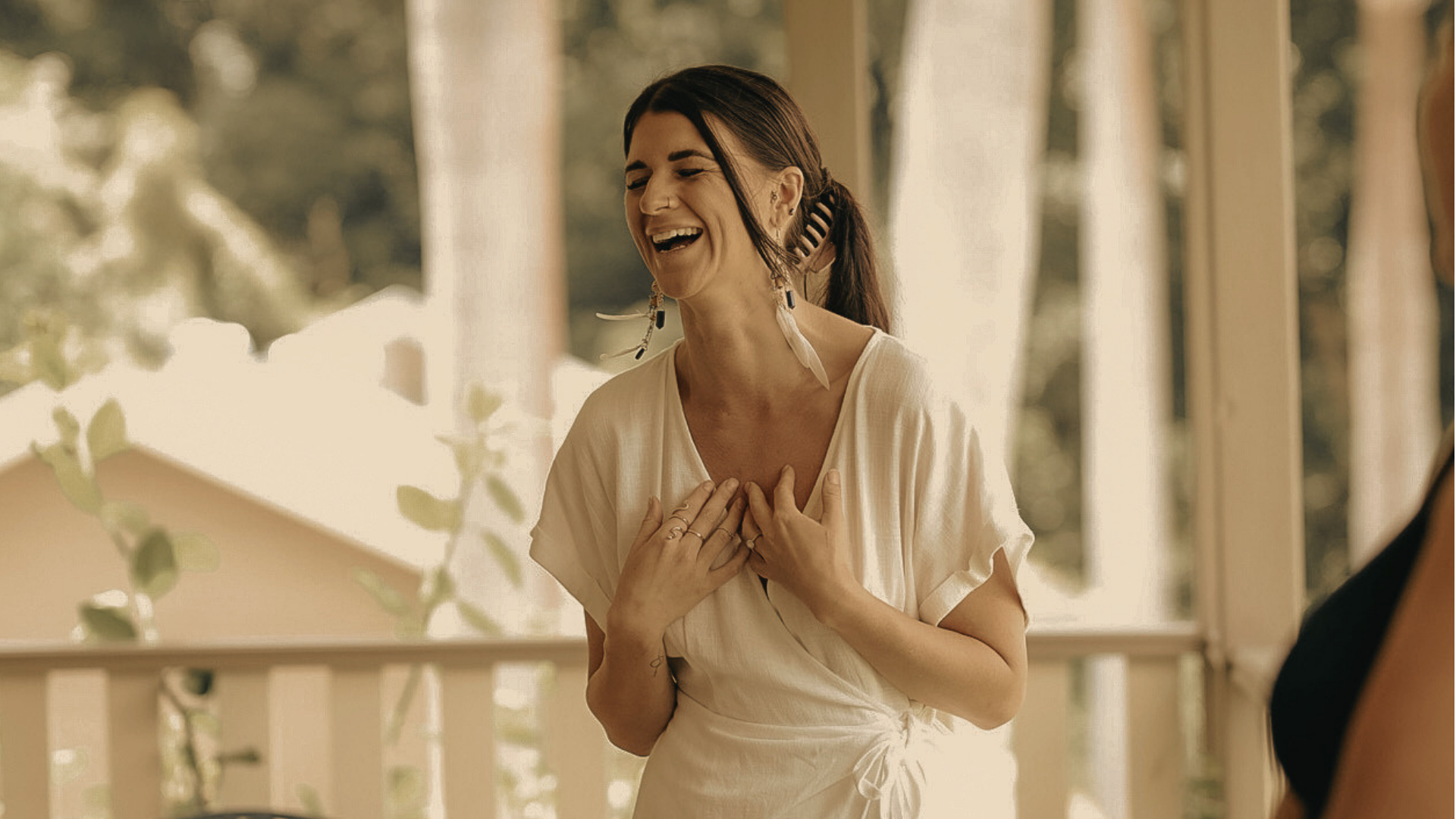
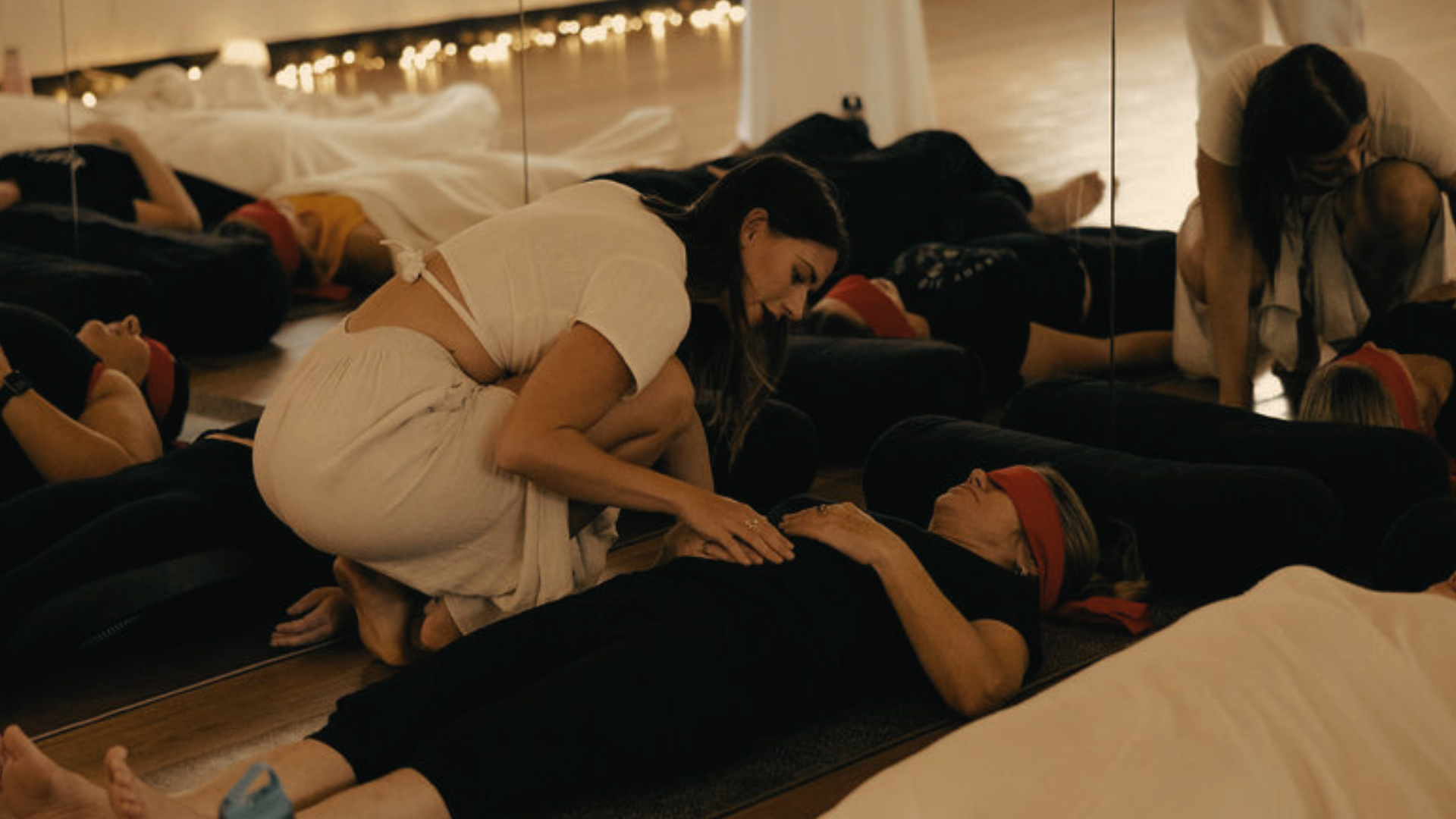
Shadow Alchemy Coaching Academy (SAC) is a trauma-informed coaching certification program based in Queensland, Australia — training coaches, healers, and personal development practitioners in a methodology that combines shadow psychology, neuroscience, and somatic (body-based) healing into one integrated approach.
This isn't a collection of separate tools bolted together. The methodology is built on one core belief: real, lasting transformation can't happen when you only work with the mind. You have to work with the whole person — what they think, what they carry in their body, and what they've been hiding from themselves, often without even knowing it.
— Caitlin Clark
SAC was founded by Caitlin Clark — a practitioner who came to this work not through theory, but through doing it herself. She grew up in a family with seven generations of doctors, stepped away from the expected path, and had to navigate exactly what she now teaches: shame, conditioning, and the parts of yourself you've been trained to suppress.
That personal foundation is why SAC is different. Caitlin doesn't hold herself above the material. She demonstrates it live, talks about it honestly, and consistently models what it actually looks like to be human while doing this work — not performing a polished version of it.
The program is grounded in neuroscience and trauma-informed practice, which means it brings rigour to work that often gets dismissed as "woo." That combination — scientific grounding with genuine depth — is what draws serious practitioners to the training.
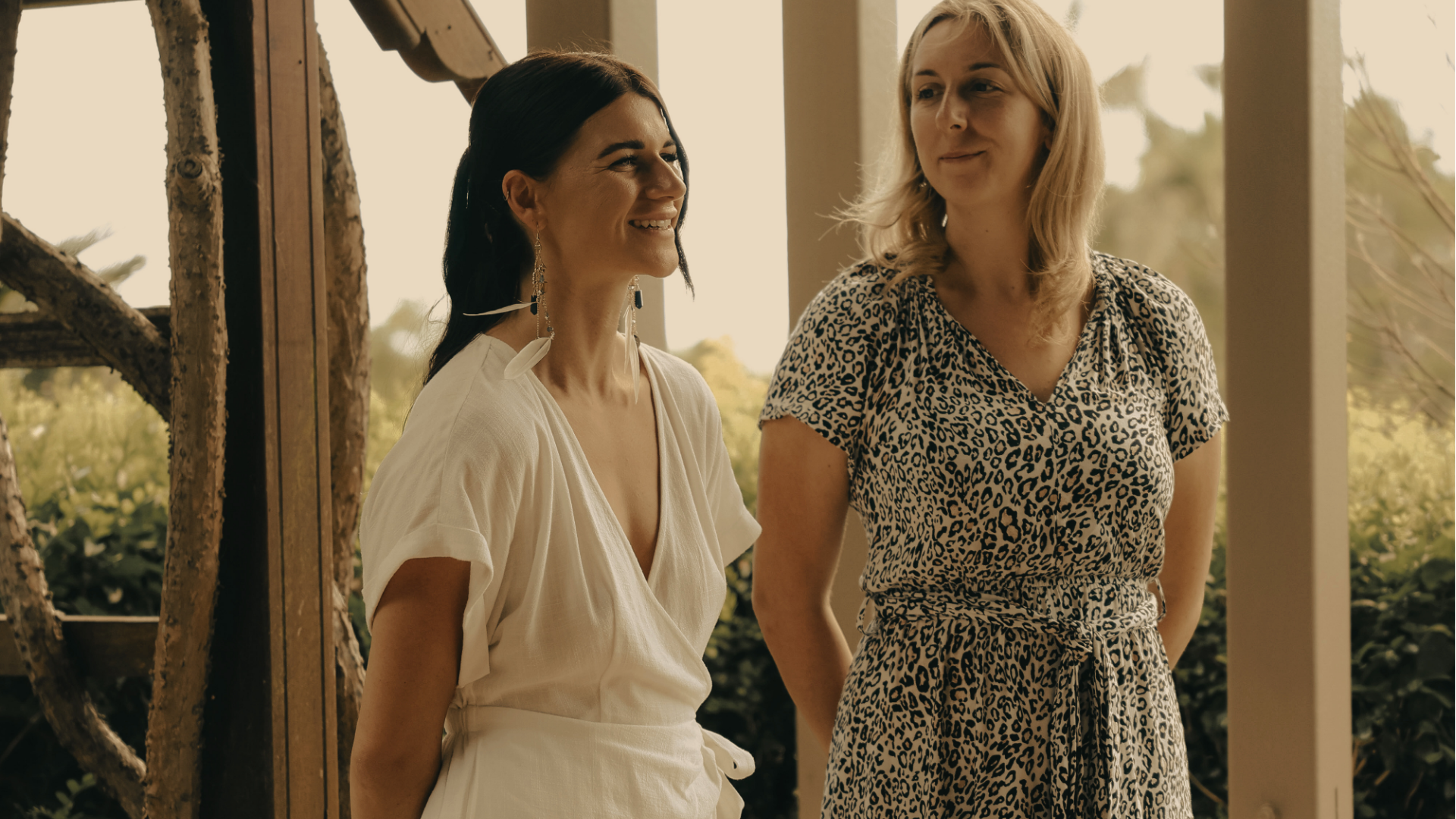
Lurinda Vollmer supports the program as lead facilitator for support calls and practice labs, helping students bridge the gap between understanding the theory and applying it with real clients.
How Shadow Alchemy
actually works.
Most people who feel stuck aren't lazy or broken. They've tried mindset work, journalling, and therapy. The problem isn't effort — it's that those tools don't reach the part of you where the pattern actually lives.
The Shadow
The parts of you that you learned to hide — not because they're bad, but because showing them once felt unsafe. They don't disappear. They run in the background, driving behaviour you can't explain.
The Unconscious
95% of what we do is driven by the unconscious mind — shaped by conditioning, not choice. Goals and affirmations only reach the 5% that's conscious. Shadow Alchemy works with the rest.
The Body
Patterns don't just live in the mind — they live in the nervous system. Somatic work is how the pattern actually changes, not just gets understood. Without the body, transformation stays intellectual.
Integration
The goal isn't to get rid of your shadows — it's to stop being controlled by them. When what was hidden becomes something you have choice over, you don't just understand yourself better. You actually change.
"Nothing is broken. It is a story your mind is telling you to keep it there — because that is what you've learned is safe."
— Caitlin ClarkA plain-English breakdown of how shadow work, neuroscience, and somatic healing work together.
Where do you want
to begin?

Level 1
Certification
The foundational training. Four modules built on each other — the neuroscience of behaviour and conditioning, shadow psychology, trauma and the body, and practical tools and processes. Graduates understand how human beings actually work. And they have the skills to facilitate real change.
Explore Level 1Advanced Facilitator Training
For Level 1 graduates ready to go deeper. University-style quarterly blocks covering advanced facilitation, complex processes, and the ethics and identity of being a trauma-informed practitioner.
Personal Pathway
For experienced practitioners who want serious depth without the full certification track. Designed for people who've already done personal development work and are ready to go further.
The tools most people
are given don't reach far enough.
Most people who seek out coaching are not lazy, not unmotivated, and not broken. They've tried the mindset work. And they're still stuck. Here's why — and what actually changes it.
The patterns that keep people stuck — the self-sabotage, the avoidance, the relationships that repeat, the success that feels empty, the inability to feel good enough no matter what they achieve — those patterns don't live in the conscious mind.
They live in the nervous system. They live in the body. They were wired in through years of conditioning, before the person had any say in it. And you cannot think your way out of a pattern that lives in your body. That's not pessimism — it's biology.
Regular coaching typically works at the conscious level — goals, mindset, strategies. Useful, but it misses the 95% that's running below the surface. Therapy processes the past and the memories attached to it. SAC coaches are not therapists and don't go there.
What SAC does is sit in the middle: it's coaching, not therapy — but it's trauma-informed. It works with the patterns that trauma and conditioning have left behind, without reopening the original wound. The result, for clients, is the thing they've been trying to get to for years — not just understanding their patterns, but actually being free of them.
95% of behaviour is driven by the unconscious mind.
Goals, affirmations, and mindset work only reach the 5% that's conscious. SAC works with the rest.
Trauma is not the event. It's the response.
Which means you don't need to revisit what happened. You work with what the nervous system is still holding now.
The shadow isn't the enemy. It's information.
Every buried part of us was once a survival strategy. When we understand it that way, it stops being something to fight — and becomes something to integrate.
Wholeness isn't a performance. It's a felt experience.
When someone actually does this work — not just understands it — they stop performing okayness. They start living it.
Ready to explore
what's possible?
Whether you're a practitioner looking to add real depth to your work, or someone who wants to understand themselves at a level they've never reached — there's a path for you here.